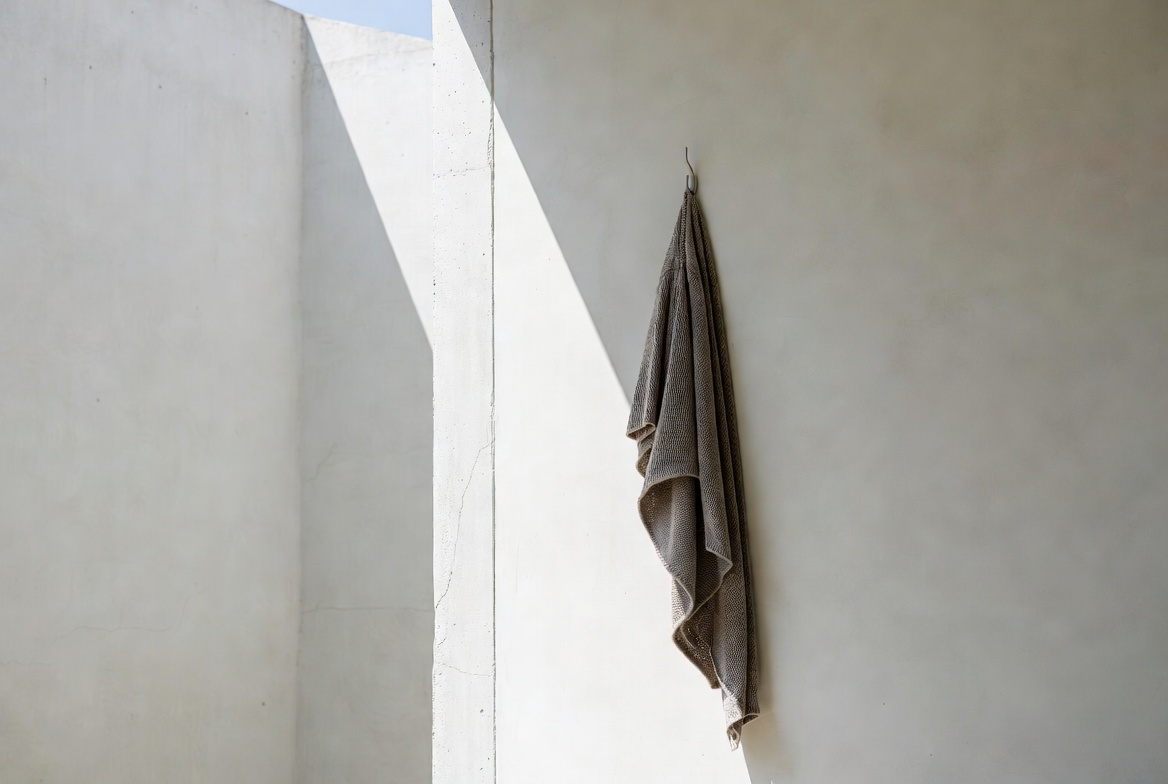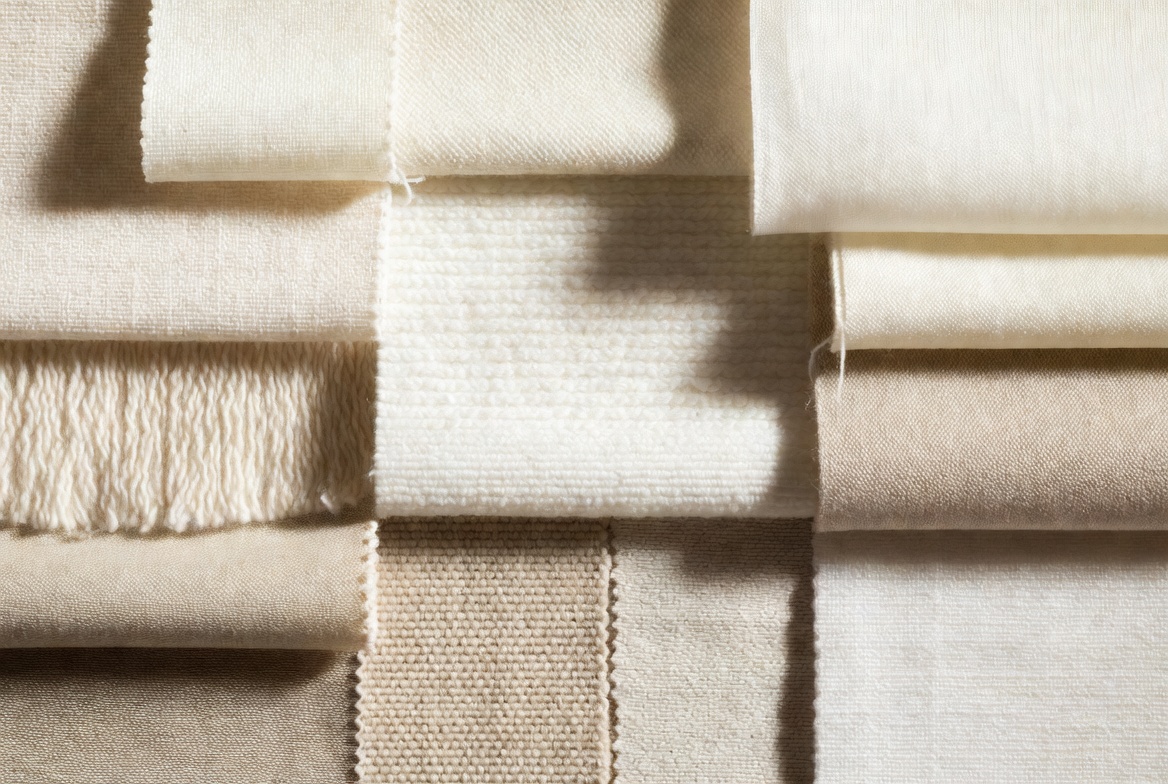
The brief for the Study Shirt was simple: a shirt for the person who moves between a desk and the world. Relaxed enough to think in. Sharp enough to be taken seriously.
What we didn't anticipate was how difficult 'simple' would be to execute.
Iteration 1–6: Getting the Silhouette Wrong
The first six samples were all variations of the same mistake — we were designing for how the shirt looks on a hanger, not on a body in motion. The dropped shoulder kept landing in the wrong place. The back length was off. The chest panel read as a design detail rather than a structural decision.
We scrapped all six. Back to pattern.
"We were designing for the hanger, not the body. That's always the wrong starting point."
Iteration 7–12: The Bias-Line Discovery
Sample seven introduced the bias-line panel at the chest — cut on the diagonal against the main body fabric. On paper it seemed like a risk. In person, it was the piece that made the shirt. It catches light differently depending on how you hold yourself. It rewards good posture. It makes the shirt feel considered rather than constructed.
The next five samples were all about refining that detail — adjusting the angle, the width, the relationship to the invisible button placket. By sample twelve we had the chest right. Everything else was still wrong.
Iteration 13–18: Getting Out of the Way
The final six samples were about subtraction. Removing a seam here. Simplifying a pocket there. The hardest design decision was removing a design detail we liked — a second panel at the back — because it was competing with the chest. Sometimes the best move is getting out of your own way.
Sample eighteen was the Study Shirt. Three months. Eighteen attempts. One correct answer.